Anambra Lawyer, Dr. Jezie Ekejiuba, Faults Proviso in Electoral Act Amendment, Declares It Unconstitutional
Politics


By Tony Okafor, Awka
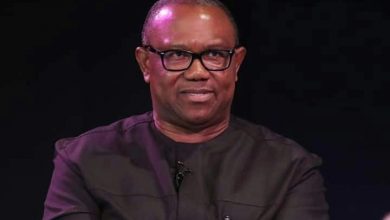
A human rights lawyer and President of the Nigerian Voters Organisation (NVO), also known as the Voters Rights Organisation of Nigeria, Barr. Dr. Jezie Ekejiuba, has described the proviso to Section 60(3) of the Electoral Act (Amendment) 2026 as unlawful, unconstitutional and void ab initio.
Ekejiuba, in a statement issued on Thursday, argued that the controversial proviso, signed into law on February 18, 2026, is inconsistent with relevant provisions of the 1999 Constitution of the Federal Republic of Nigeria (as amended).
President Bola Tinubu had assented to the amended Electoral Act earlier in the week.
The lawyer contended that the proviso to Section 60(3) is “ex facie speculative, conjectural and based on guesswork,” maintaining that the National Assembly lacks the constitutional authority to enact speculative legislation.
He cited Section 4(2) of the Constitution, which empowers the National Assembly to make laws for the “peace, order and good government” of the federation, arguing that any law founded on speculation falls outside the scope of that constitutional mandate.
According to him, while the principal provision of Section 60(3) of the amended Act remains a valid exercise of legislative power, the proviso attached to it offends the Constitution.
Ekejiuba further invoked Section 78 of the Constitution, which vests the power to organise, undertake and supervise elections in the Independent National Electoral Commission (INEC).
He argued that the National Assembly cannot, through legislation, usurp or undermine the constitutional powers of the electoral body.
He maintained that although the Assembly legislated on compulsory electronic transmission of polling unit results, including Form EC8A, it lacks the authority to dictate operational decisions that fall within INEC’s discretion, particularly in situations where electronic transmission may fail and manual alternatives are considered.
“The power to direct and supervise elections, including decisions on the method of result transmission in exigent circumstances, resides with INEC and its presiding officers, not the National Assembly,” he said.
Ekejiuba warned that allowing the proviso to stand could create confusion in the electoral process and open the door to manipulation, insisting that no court of law should permit speculative legislation to subsist within Nigerian jurisprudence.
He urged stakeholders in the electoral process to scrutinise the amendment and ensure that constitutional safeguards governing elections are strictly upheld.