By Our Reporter
Tension is mounting in Anambra state as the organised Labour is poised to embark on industrial action,following arbitrary deductions of Workers salaries by the government without any explanations.
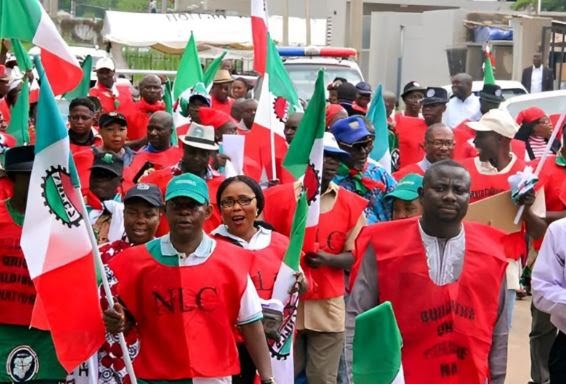
The organized Labour,led by the Nigeria Labour Congress NLC and Trade Union Congress TUC will meet Thursday in Awka to strategize on further action
The state civil servants continue to groan at the end of every month as majority of them receive quarter or half salaries when they receive their monthly payments.
According to some of the workers who spoke with Razor News,Wednesday in tears, said as high as 41k and 48k naira are deducted from their salaries each month, while some others lose between 25 to 40k naira.
They said it all started when the governor,Prof Chukwuma Soludo threatened the workers because of the Monday sit-at-home, where some workers were suspended for up to six months without pay.
They are expressing growing frustration over what they describe as persistent salary slashes despite strict enforcement of work attendance by the state government.
Many workers who spoke anonymously with Razor News, said they report to work regularly, especially on Mondays when attendance monitoring is said to be stricter, yet their salaries continue to be reduced monthly without clear explanations.
The development has triggered widespread dissatisfaction among workers already battling Nigeria’s worsening economic situation, rising transportation costs, inflation, and increasing household expenses.
They said,“The Salary Cannot Sustain us Again. Imagine a family man or woman going home with 22 thousand naira in a month under the present harsh conditions.
“The best option is to challenge the government in the state why the inhuman treatment of workers.
“Transportation alone takes a huge part of our salary. Feeding, school fees, and rent are becoming impossible,” another worker said.
Meanwhile, some of the Labour leaders who spoke with Razor News, but pleaded anonymity Wednesday, said they will not let the cat out of the bag until after their meeting tomorrow (Thursday)
“The worst part of it is that we met and discussed with the governor on the May Day over this issue,yet, nothing has happened. The workers continue to lament, what form of punishment is that? the leaders asked
“I think we have become so docile because of over familiarity, but it cannot continue this way. The world will hear us after the meeting.
However, one of Soludo’s aides,who did not want to be quoted, debunked the idea that the governor is using it as payback time for obeying the orders of sit-at-home by the indigenous people of biafra IPOB.
” I have heard about such deductions, but our able governor will see to it. Nobody prays for strikes again in Anambra state and there should not be any cause for such” the government official said