By Tony Okafor
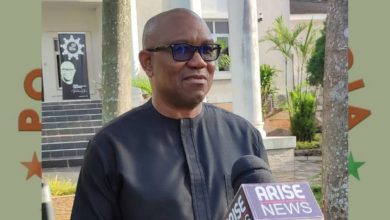
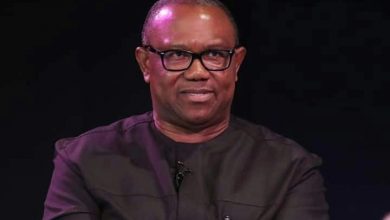
Fresh legal trouble may be brewing for lawyer and Nollywood Actor, Kenneth Okonkwo, following a N5 billion defamation claim instituted against him by lawyers to former Anambra State governor and NDC presidential candidate, Peter Obi.
In a strongly-worded demand letter dated June 9, 2026, Obi’s legal team, led by Chief Alex Ejesieme (SAN), accused Okonkwo of making false, malicious and defamatory statements against their client during a live appearance on Channels Television’s Sunrise Daily programme on June 8.
The lawyers demanded an immediate retraction of the alleged defamatory remarks, a public apology, and payment of N5 billion as general, aggravated and exemplary damages.
According to the letter, Okonkwo allegedly claimed during the television programme that Obi and leaders of the Nigeria Democratic Congress (NDC) in the South-East demanded a N10 million bribe from aspirants seeking nomination for the House of Representatives after paying the party’s official expression of interest fees.
The legal team further alleged that Okonkwo claimed to possess documentary evidence of the purported payments and accused Obi of personally compiling the party’s candidates’ list from a hotel room.
He was also alleged to have described Obi as a scammer, accused him of collecting money from political aspirants and individuals abroad, and alleged that he and South-East party leaders were engaged in criminal activities.
Obi’s lawyers described the allegations as “false, baseless, malicious, reckless and wholly unsupported by any fact.”
“The above statements, in their natural and ordinary meaning, falsely and maliciously represent our client as a person who demands, solicits, organises and collects bribes; who extorts, defrauds and swindles political aspirants of their money; and who is engaged in criminal conspiracy and criminality,” the letter stated.
The legal practitioners argued that while citizens enjoy the constitutional right to freedom of expression, such rights do not extend to making false statements that damage another person’s reputation.
“The law is settled that while citizens are entitled to hold and express opinions, no person is entitled, under the guise of political speech, to publish false statements which impute criminality, fraud, dishonesty or moral depravity to another,” the lawyers stated.
They consequently demanded that Okonkwo, within seven days, withdraw the statements in their entirety, publish an unreserved public apology through the same platforms where the allegations were made, and undertake not to make similar statements in the future.
The letter specifically requested that the apology be published on Channels Television and across all social media platforms through which the alleged defamatory remarks were circulated.
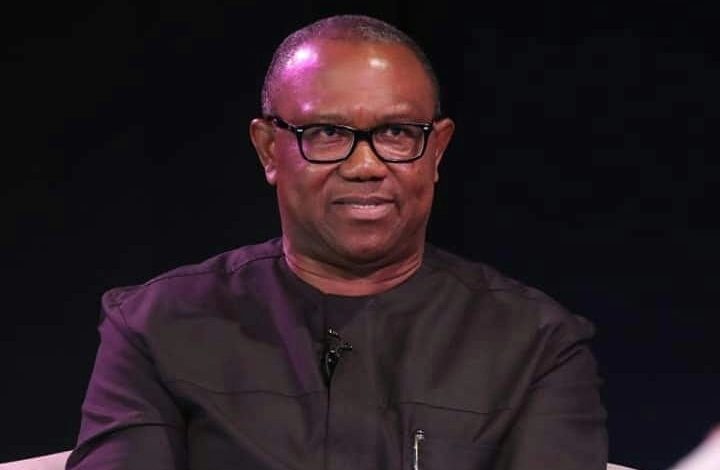
Defamation: Obi’s Lawyers Seek N5bn Damages Against Kenneth Okonkwo .
The lawyers warned that failure to comply with the demands within the stipulated period would leave their client with no option but to commence legal proceedings seeking N5 billion damages, injunctive reliefs, public retractions and the full cost of litigation.
“This letter is written without prejudice to all other rights, remedies and reliefs available to our client under the law,” the letter concluded.
As of press time, Okonkwo had not publicly responded to the allegations or the legal demands.
The development marks the latest twist in the growing political fallout between Obi and Okonkwo, his former ally, whose recent criticisms of the NDC’s internal processes have generated widespread public debate.