By Tony Okafor
It is no longer enough to send one’s children abroad for education. The latest fashion is to announce it to the world with glossy photographs, emotional captions, and elaborate family outings to foreign universities for graduations.
That has become the pastime of our political elite.
Every graduation ceremony has become a public spectacle, complete with carefully choreographed social media posts celebrating academic success thousands of kilometres away from the country they govern.
The same leaders who assure Nigerians that all is well — including with our education system — are often the first to look elsewhere when it comes to educating their own children.
They speak glowingly about reforms, the construction of smart schools, increased budgets, and brighter futures, yet they quietly demonstrate through their personal choices where they truly place their confidence.
Actions, as the saying goes, speak louder than speeches.
No reasonable person begrudges any parent who desires the best education for his or her child. Every father and mother naturally wants opportunities that will secure a brighter future for their children. That is neither a crime nor a moral failing. Again, social stratification is also a reality.
However, the real issue arises where those under a social contract with the people openly demonstrate detachment from it. It lies in the uncomfortable symbolism of public officials celebrating foreign education while millions of Nigerian children struggle in overcrowded classrooms, schools without laboratories, buildings with leaking roofs, inadequate teaching materials, and universities repeatedly disrupted by strikes and chronic underfunding.
It is difficult to preach confidence in a system you have personally rejected for your own family.
This weekend alone, Nigerians watched as prominent politicians travelled abroad with members of their households to attend the graduation ceremonies of their children. Photographs of the celebrations flooded social media.
While the intention may simply have been to celebrate family milestones, the images inevitably raised uncomfortable questions in the minds of ordinary citizens.
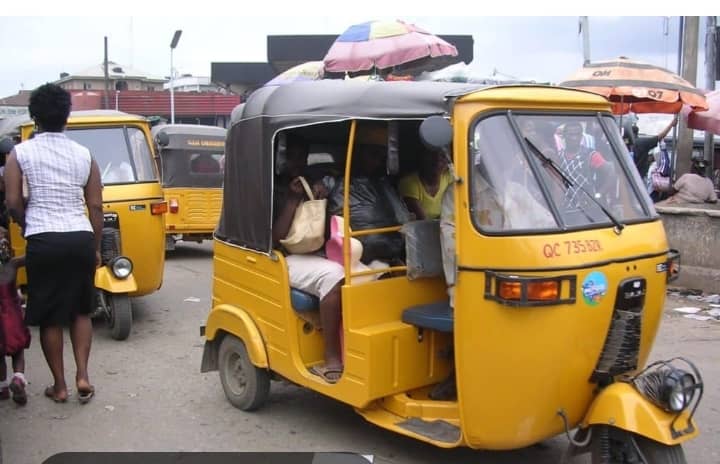
What message do such displays send to the keke driver who struggles daily to pay school fees? What comfort do they offer the market woman whose child attends a neglected public secondary school? What hope do they inspire in parents whose children spend months at home whenever public universities shut down?
Many Nigerians may reasonably wonder whether the taxes they faithfully pay are helping to sustain a political class that enjoys privileges far removed from the realities of those they govern.
Whether or not such perceptions are entirely true, leaders should recognise that public confidence is shaped not only by policy but also by the example they set.
Citizens find it difficult to believe glowing reports about educational transformation when those making such claims consistently choose foreign classrooms over Nigerian ones for their own children.
If Nigeria’s schools are good enough for the children of farmers, artisans, civil servants, teachers, traders, and transport workers, they should also be good enough for the children of presidents, governors, ministers, legislators, commissioners, and other public office holders. If they are not, then government has an obligation to make them so.
The greatest endorsement any public official can give to Nigeria’s educational system is the simple decision to entrust the education of his or her own children to institutions built with public funds.
That example would speak more eloquently than a thousand campaign promises.
A keke driver, for instance , who works honestly, pays taxes faithfully, and contributes to the nation’s economy should be able to dream of giving his children the same opportunities enjoyed by the children of those in power.
That dream should not be reserved for the political class alone.
Until that day, every graduation photograph from overseas will continue to remind Nigerians that there are, in reality, two countries: one reserved for the privileged and another for everyone else.
And that is a sermon our leaders should ponder more deeply than any graduation ceremony they proudly attend.
What is good for the goose is good for the gander.