PARALLAX SNAPS: Hurray—Nigerians No Longer Die at Rice Distribution Centres During Christmas
Opinion

By Tony Okafor
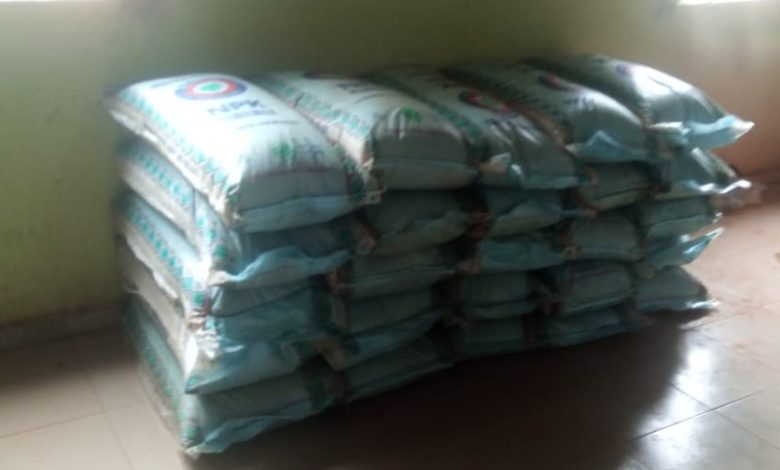
For the first time in recent years, Christmas in Nigeria passed without reports of citizens collapsing or dying at rice distribution centres.
This is a welcome and commendable departure from past festive seasons marked by desperation, stampedes, and avoidable deaths.
In previous years, long queues, exhaustion, and tragic fatalities at distribution points reflected deep economic stress, food scarcity, and policy failure.
This year, however, the narrative changed—largely due to a crash in the price of rice, which eased desperation and restored a measure of dignity.
When food becomes even slightly affordable, people no longer risk their lives for handouts.
Those responsible for the policies and interventions that helped drive down rice prices deserve commendation.
The outcome is clear: fewer queues, less chaos, and no reported deaths.
Yet, this progress must not breed complacency. Rice is only one item among many still beyond the reach of millions.
Garri, beans, yam, cooking oil, vegetables, and protein sources remain costly.
The absence of tragedy does not automatically translate to comfort.
More deliberate and sustained efforts are required to reduce food prices across the board—through stronger support for local farmers, access to affordable credit, improved security for farming communities, lower transportation and energy costs, better storage facilities, and consistent, production-friendly policies.
Nigeria must also move away from a relief-centre or helicopter economy.
Citizens do not want charity; they want affordability, opportunity, and stability.
This Christmas offered a glimpse of what is possible when policy works.
The goal should not merely be to stop Nigerians from dying for food, but to ensure they live well enough never to face such desperation again.