PARALLAX SNAPS: If Only Those in Govt, Their Cronies and Relatives See a Juicy Nigeria, Something Is Wrong
Opinion

By Tony Okafor
Nigeria yesterday celebrated 66 years of independence. It was, as expected, a day of speeches, prayers, patriotic songs and messages of hope.
But listening to many of the messages, one could be forgiven for thinking that Nigeria exists in two different realities.
In the Nigeria described by those in government, the country has crossed its “Red Sea” and is firmly on the path to prosperity. President Bola Ahmed Tinubu said the promised land was now in sight.
But there is another Nigeria — the Nigeria inhabited by the majority.
It is the Nigeria of expensive petrol, costly cooking gas, food prices that have pushed many families to the edge, unemployment and underemployment, insecurity, epileptic electricity supply, failing public schools, overstretched hospitals and a transport system that consumes a frightening portion of household income.
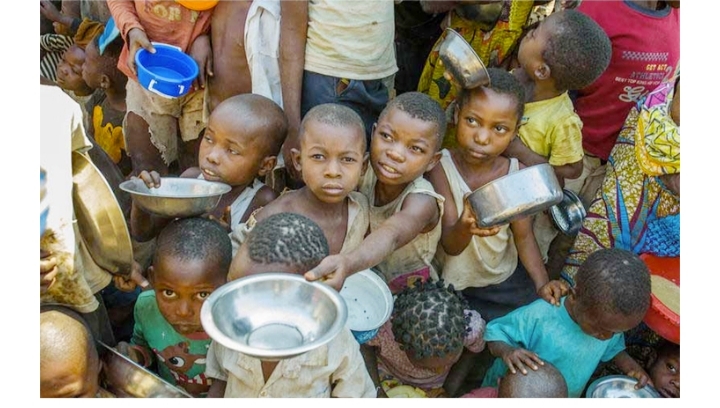
It is the Nigeria where parents struggle to feed their children; graduates roam the streets without jobs; businesses close or reduce operations because of high operating costs; and workers periodically threaten industrial action because wages no longer meet the cost of living.
It is also the Nigeria where flooding has become a recurring nightmare. Only last month in Anambra, six-year-old Success Ezenwafor was swept away when a rickety bus was trapped by floodwaters while taking children to school.
What is particularly troubling is the growing distance between official optimism and public pain.
Even some government appointees who have barely spent six months in office have joined the chorus of defending what they see as Nigeria’s positive trajectory.
There is nothing wrong with acknowledging progress. But governance is not public relations, and patriotism does not require Nigerians to pretend that their suffering does not exist.
If workers are threatening strikes, teachers are complaining, traders are struggling, transporters are groaning, farmers are battling insecurity, and ordinary families are struggling to eat — while those in government and their immediate circles appear comfortable — then something is fundamentally wrong.
Perhaps Independence Day should not merely be a celebration. It should also be an interrogation.
Where are Nigeria’s enormous resources going? How efficiently are they being deployed? Who benefits most from the system?
A country cannot be truly progressing if its citizens are perpetually being asked to endure hardship while those managing the country insist that everything is getting better.
If only those in government, their cronies and relatives can see a good and juicy Nigeria, then perhaps it is time for government to look again — not through the tinted windows of official vehicles, but through the eyes of the people.