By Tony Okafor
Forty years after the gruesome murder of Dele Giwa, one of Nigeria’s most celebrated journalists, the country still has no definitive answer to the question of who killed him.
This enduring mystery is not merely a failure of criminal investigation; it is a national disgrace and an indictment of Nigeria’s security agencies, successive governments and, to some extent, the journalism profession itself.
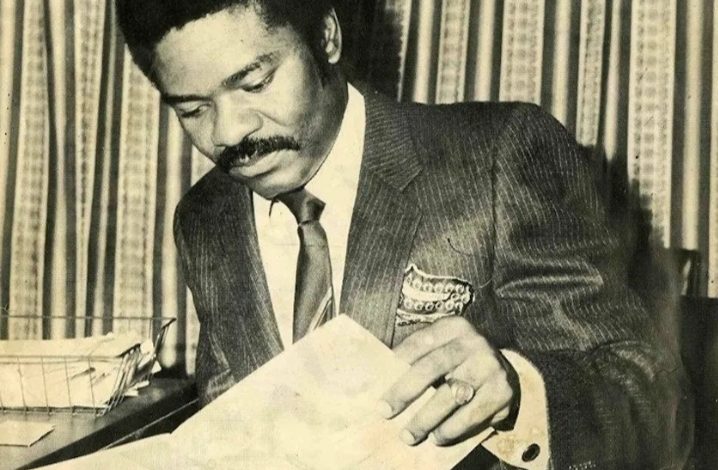
On October 19, 1986, Giwa, the founding editor-in-chief of Newswatch magazine, was killed by a parcel bomb delivered to his home in Lagos. His murder shocked the nation and sent a chilling message to journalists who dared to hold power accountable. Four decades later, those responsible for this heinous crime have not been brought to justice.
What could be more shameful than allowing the murder of one of the country’s finest journalists to remain unresolved for 40 years? Where are the intelligence and security agencies? Why have successive governments failed to establish the truth and ensure accountability? These questions demand answers, not the familiar official rhetoric that has surrounded this tragedy.
The circumstances surrounding Giwa’s death generated suspicions, allegations and controversies. Yet, four decades later, the central question remains unanswered. The responsibility of the state is to establish the facts through competent, independent and transparent processes, not to leave history at the mercy of speculation.
The failure to solve this murder has consequences beyond the loss of one man. It weakens public confidence in the security system, diminishes the value placed on human life and reinforces the dangerous impression that powerful interests can escape justice.
If a prominent journalist could be murdered in such a brazen manner and justice remain elusive for four decades, what assurance does an ordinary citizen have that the state can protect their life and guarantee justice?
The journalism profession must also confront some uncomfortable questions. Have we sustained the demand for justice with the consistency this tragedy deserves? Have successive generations of journalists kept Giwa’s murder alive as an unfinished national assignment, or have we allowed anniversaries to become occasions for speeches and tributes without sustained action?
The Nigeria Union of Journalists (NUJ), in particular, must reflect on whether the pursuit of union dues has received greater attention than the persistent demand for justice in cases that threaten the safety and independence of journalists.
Remembering Dele Giwa must mean more than publishing tributes every October. It must mean demanding access to relevant records, renewed investigation where legally and practically possible, and accountability for anyone found culpable through due process.
Forty years of unanswered questions are enough. Giwa deserves justice. His family deserves answers. Nigeria deserves the truth.
A nation that cannot adequately account for the murder of a journalist cannot credibly claim to have done enough to protect press freedom.
This conspiracy of silence must end.