Comrade Osita Obi Lands in Hospital After Court Fails to Sit for Fifth Time in His Case With Awka Catholic Diocese
News

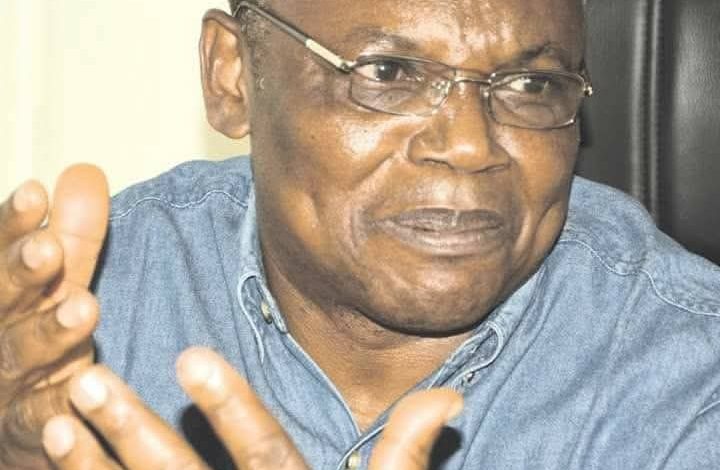
By Tony Okafor, Awka
Anambra human rights activist, Comrade Osita Obi, rushed to hospital on Friday after the latest postponement in his legal battle with the Catholic Diocese of Awka reportedly worsened his health condition.
Magistrate Court 4, sitting in Amawbia, failed to hold proceedings for the fifth consecutive time on his matter, leaving Obi and dozens of other litigants stranded after waiting for several hours.
Obi told journalists he had earlier visited the hospital before heading to court for the scheduled hearing. He said the stress and frustration caused by yet another aborted sitting aggravated his condition, forcing him to return to the hospital immediately after leaving the court premises.
“This is the fifth consecutive time the court has failed to sit on this matter,” Obi lamented. “The repeated delays are taking a heavy toll on me financially, emotionally and physically.”
The case arose from allegations of cyberbullying and defamation filed by the Catholic Diocese of Awka against Obi over comments he allegedly made on Facebook.
In the post, Obi reportedly described the diocese as “worse than Boko Haram” following the eviction of his wife’s business from a shop linked to the diocese and the exposure of her goods to rainfall.
Friday’s proceedings were stalled due to the absence of the presiding magistrate. No official reason was given for the court’s failure to sit.
More than 30 lawyers and scores of litigants were seen leaving the court premises disappointed after waiting for hours.
Speaking after the aborted sitting, Obi called for urgent reforms in the Anambra State Magistrates’ Court system. He attributed part of the problem to inadequate infrastructure, noting that two or more magistrates currently share a courtroom and alternate sitting days.
He urged the Anambra State Government, the Attorney-General and the judiciary to introduce a notification system—through text messages, phone calls or WhatsApp—to alert litigants and lawyers whenever a court would not sit.
“It will save people the cost, time and stress of travelling from Abuja, Lagos, Asaba, Enugu and different parts of Anambra, only to discover that the court will not sit,” he said.
Some lawyers at the court also expressed frustration, saying frequent non-sittings and last-minute adjournments continue to undermine the administration of justice and erode public confidence in the judiciary.
One lawyer, who requested anonymity, said the judiciary was grappling with serious infrastructure challenges.
“We have problems with our court system, especially infrastructure deficits. Instead of addressing them, they are building a new palace in Awka. Did we ask for that? It is a clear case of misplaced priority,” the lawyer said.
The lawyers renewed their call for improved communication and administrative reforms to make magistrates’ courts more efficient.
The matter was adjourned to August 6, 2026, for hearing.