By Tony Okafor
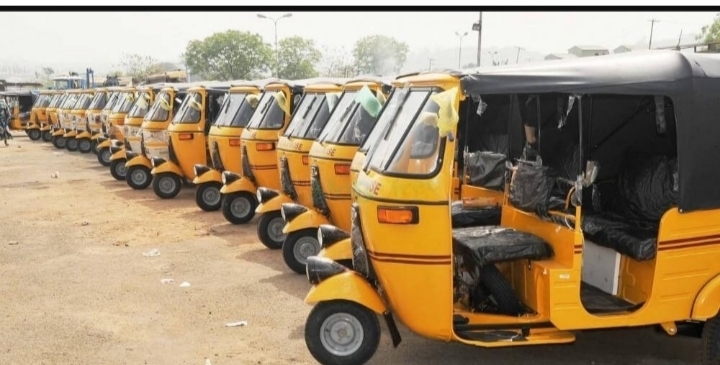
Commercial tricycles, popularly known as keke have become too critical to Anambra’s transportation system to remain trapped in factional unionism.
Across Awka, Onitsha, Nnewi, Ekwunife, Agulu and other parts of the state, keke is both an indispensable means of transportation and a vital source of livelihood.
For thousands of residents, it is the vehicle that takes them to work, school, markets, and homes. For thousands of operators, it is their daily bread.
The organization of this sector is therefore a matter of public interest, not merely an internal union affair.
The Anambra State Government must now move decisively to harmonize the various associations representing tricycle operators.
The problem with competing unions goes beyond different names and rival leaderships. Fragmentation breeds confusion over who truly speaks for the operators.
It exposes drivers to multiple, often conflicting demands and levies. It fuels avoidable clashes. And it leaves government without a credible partner to engage, regulate, or hold accountable.
A properly harmonized structure would give government a single, accountable channel for engagement. It would make policy communication easier, improve enforcement of traffic regulations, speed up dispute resolution, and allow for coherent transportation planning.
Most importantly, harmonization would make it possible to build a credible database of genuine operators and their vehicles.
In a state contending with insecurity, knowing who operates commercial tricycles and where they ply is not an administrative luxury. It is a security imperative. Proper identification can help prevent the use of keke for criminal activities and aid investigations when crimes occur.
But government must guard against replacing several powerful factions with one all-powerful monopoly. We recommended that the new structure must be democratic, transparent, and genuinely controlled by the operators themselves.
Leadership must not become the preserve of wealthy patrons, political godfathers, financiers, party loyalists, or touts.
Those who wake up daily to drive the tricycles — those whose livelihoods depend on the industry — must have the decisive voice in electing their representatives.
The reform must also end the scourge of multiple and unauthorized levies. Legitimate government charges should be clearly defined, published, and collected through authorized digital channels. This will cut leakages, reduce extortion, and eliminate the activities of touts masquerading as collectors.
Above all, unification must translate to better welfare and safer commuting. Operators deserve access to insurance, emergency support, cooperative credit, and training. Passengers deserve safer vehicles, responsible driving, and a clear system of accountability when things go wrong.
Anambra should seize this moment to bring order to the keke sector. One industry should not have many competing voices all claiming to speak for it.
Unity, however, must come with accountability, democracy, and protection for both operators and passengers. The keke sector moves Anambra. It is time Anambra moved to properly organize it.