By Tony Okafor
Anambra State has, in recent times, experienced flooding of frightening proportions.
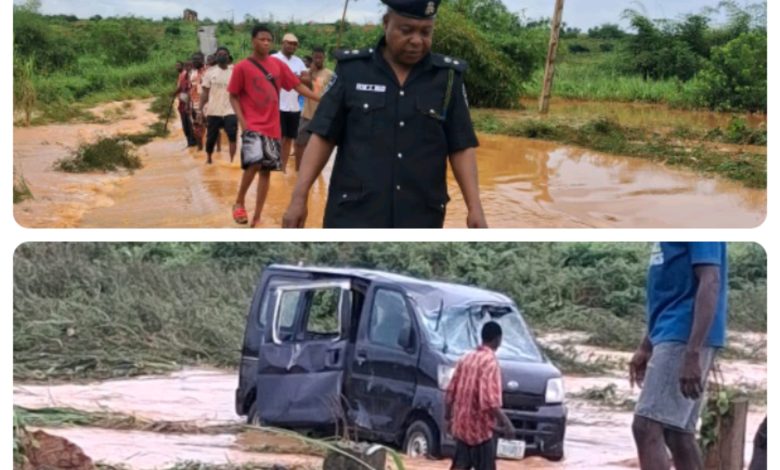
Homes and roads have been submerged, property destroyed and, tragically, human beings swept away by raging floodwaters.
Recent incidents in Awka have once again brought the danger painfully close to home.
And, as is increasingly becoming the pattern, the blame quickly shifts to Soludo.
But let us ask an uncomfortable question: Does Governor Chukwuma Soludo manufacture rainwater and unleash it on Ndi Anambra?
Certainly not.
This, however, is not an attempt to absolve the government of responsibility. Far from it. Soludo’s government must answer for everything within its power to prevent, mitigate and respond to flooding. Where drainage infrastructure is inadequate, waterways are obstructed, planning regulations are breached or emergency responses fall short, the government must be held accountable.
But accountability should not become the convenient fiction that the governor personally causes every flood.
The truth is that we have collectively abused, distorted and, in some places, practically murdered our environment.
We build on natural waterways and drainage corridors. We block gutters with refuse. We convert flood channels into building plots. We pave over surfaces that once absorbed rainwater. We indiscriminately excavate soil, destroy vegetation and disregard town-planning regulations. Sometimes, we watch these violations happen and say nothing—until the flood arrives.
Then nature presents the bill, and suddenly someone becomes the ‘rainmaker.’
That is not intelligible. It is an oversimplification of a complex problem.
Anambra’s flooding has multiple dimensions: intense rainfall, topography, inadequate drainage in some areas, poor land-use practices, environmental degradation and failures in planning and enforcement.
Government must therefore do its part. But Ndi Anambra must also do ours.
We cannot destroy waterways, block drainage channels and violate planning rules, then expect government alone to save us from the consequences.
The governor is not the rainmaker. But he is the governor—and government must be held accountable for what government can control.At the same time, citizens must accept responsibility for what citizens can control.
Flooding is everybody’s problem. Therefore, preventing it must become everybody’s responsibility.
Responding only after the damage is done is like providing medical care for a corpse in the morgue.
What Anambra needs is not merely reaction after disaster, but collective prevention before the next rainfall.
Laborare est orare — To work is to pray.