By Tony Okafor
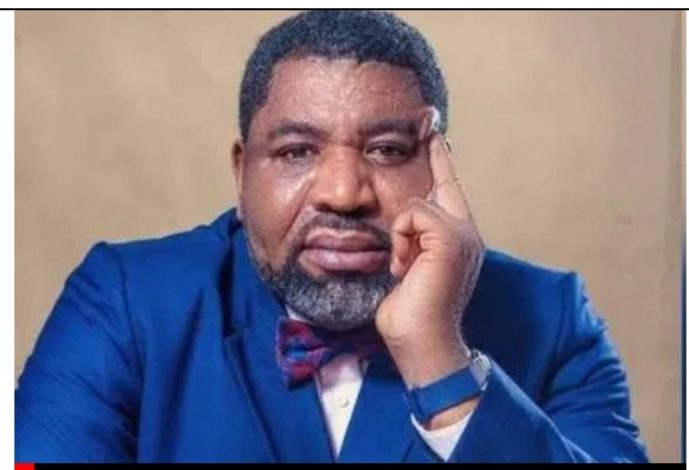
Nigeria’s selective sense of outrage is on full display again in the controversy surrounding Anthony Kila and questions raised about his academic credentials.
The speed with which some Nigerians have rushed to discredit him raises a more uncomfortable question: why condemn in one person what we excuse in another?
This is not a defence of dishonesty. Academic titles are not decorative badges to be acquired at will; they are earned through rigorous study, research and academic validation. Anyone who misrepresents his qualifications must explain himself and submit to appropriate institutional scrutiny. Where wrongdoing is established, consequences must follow.
But accountability is not the same as a public execution of character.
Even Kila’s fiercest critics cannot simply wish away his contributions to public discourse—his commentaries, analyses and interrogation of public policy.
The question is: If his professorial title were withdrawn today, would every argument he had ever made suddenly become invalid? Would every analysis he had offered become worthless overnight? Certainly not.
This is where Nigeria’s hypocrisy becomes difficult to ignore.
For years, the country has witnessed controversies over the academic credentials of prominent public office holders, including disputes concerning university certificates. These controversies have generated intense media scrutiny, public debate and litigation.
In such cases, a familiar argument often emerges: allegations are not proof; documentary evidence matters; the relevant institutions must be heard; and due process must be respected.
That argument is sound. But why should it become sacred when the credentials of a politically powerful person are questioned and suddenly disposable when the person under scrutiny is a public intellectual?
Why insist on evidence, verification and the presumption that allegations must be established before judgment when a political leader is involved, yet demand the immediate professional and social destruction of a critic facing questions about his qualifications?
Are we defending principles or merely protecting personalities?
If due process matters, it must matter for everyone. If evidence is the standard, it cannot be suspended because public anger has found a convenient target. And if accountability is our objective, we must apply the same standards without fear, favour or political sympathy.
What Nigerians should demand in both cases is transparency and independent verification. Kila should address legitimate questions about his professorial title and doctorate with verifiable documentation from the relevant awarding institutions. Equally, every public figure whose academic credentials have been questioned should be held to the same standard of openness.
Nobody should enjoy immunity from scrutiny because of political influence, intellectual reputation or public sympathy.
The issue, therefore, is bigger than Anthony Kila. It is a test of Nigeria’s commitment to equal standards of justice and accountability.
We cannot preach fairness in one case and practise vindictiveness in another. We cannot demand caution when our political allies are accused and celebrate condemnation when our opponents are in the dock.
Why wield a sledgehammer against one man while pampering another over controversies that demand the same standard of proof?
If the rule is that allegations must be investigated and established before judgment, let that rule apply to everyone. If the rule changes according to the identity of the person involved, then we are not defending integrity; we are merely advertising our hypocrisy.
And that is the real scandal.