By Kenechukwu Ofomah
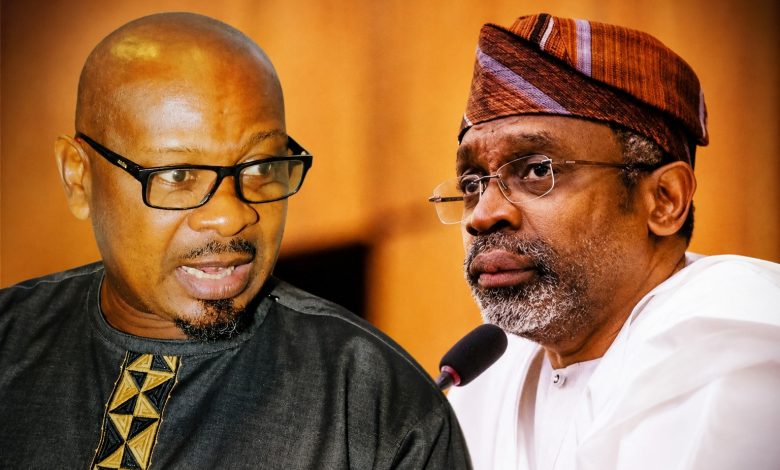
Human rights advocate and Executive Director of the Rule of Law and Accountability Advocacy Centre (RULAAC), Okechukwu Nwanguma, has urged the Federal Government to publish the draft National Policing Bill before asking Nigerians to submit memoranda and policy proposals on the proposed establishment of state police.
Nwanguma emphasized the need to make the Bill public in a statement on Tuesday, titled “State Police: Publish the Bill Before Seeking Public Input.”
The call for memoranda was made on Monday by a Presidential Working Group on the proposed National Policing Bill, chaired by the Chief of Staff to the President, Mr. Femi Gbajabiamila, which is reviewing the Police Act 2020, the Police Service Commission framework, police regulations, and other relevant laws to create a modern and effective policing system that accommodates state police while maintaining national standards.
Gbajabiamila had announced that the public consultation process would begin with a two-week window for the submission of memoranda by citizens, civil society organisations, professional bodies, security agencies, state and local governments, academics, and other stakeholders.
He further explained that contributions received would be incorporated into the draft bill before it undergoes further national consultations ahead of its transmission to the National Assembly.
Reacting, the RULAAC boss described the Presidential Working Group’s call for public memoranda as a welcome recognition of the importance of citizen participation but argued that meaningful engagement could only take place if the proposed legislation was made available to the public.
According to him, Nigerians cannot make informed recommendations on a bill they have not seen, warning that withholding the draft legislation leaves citizens to speculate about its contents.
“Where is the Bill?” Nwanguma queried, maintaining that public consultation without public access to the proposed law amounts to a process that is procedural in appearance but lacks genuine substance.
“Public consultation should begin with the publication of the draft legislation. Without access to the text, citizens are left to speculate about its contents, making genuine engagement virtually impossible,” he said.
Nwanguma called on the Presidential Working Group to immediately release the draft National Policing Bill, along with any proposed constitutional amendments, to enable state governments, civil society organisations, professional bodies, legal practitioners, academics, traditional institutions and other stakeholders to study the proposals before making submissions.
He noted that the proposed creation of state police is one of the most far-reaching constitutional and institutional reforms since Nigeria’s return to democratic rule, saying it would fundamentally reshape policing powers, federal-state relations, accountability mechanisms, funding arrangements and safeguards against abuse.
The rights advocate stressed that transparency should form the foundation of the reform process rather than being treated as an afterthought.
He also urged the National Assembly to fulfil its constitutional responsibility by publishing the bill, inviting written memoranda from stakeholders and conducting open public hearings before taking any final legislative action.