Anambra NOA Director Tasks Health Workers on Greater Sacrifice, As 11 cases of HIV-infected babies recorded
News

By Tony Okafor
The National Orientation Agency (NOA) in Anambra State has urged health workers to make greater sacrifices in the discharge of their duties, saying inadequate funding of some health programmes should not discourage them from serving the people.
The Anambra State Director of the agency, Lady Ifeoma Evangeline Chijioke,
a lawyer, made the call during the Anambra State Health Promotion Strategic Framework Costed Implementation Plan Workshop.
Chijioke said health workers remained critical to improving health outcomes in the state, particularly among women, children and vulnerable communities, and should continue to give their best despite operational and funding challenges.
She acknowledged the sacrifices routinely made by health workers, saying such commitment was particularly important in maternal and child health, where timely information, access to services and sustained follow-up could make the difference between life and death.
She said the agency was ready to support the dissemination of government policies, programmes and activities, particularly health-related interventions, to communities across the state.
According to her, NOA’s presence across the local government areas gives it a strategic advantage in taking government messages and programmes to the grassroots.
She said the agency would work with the health sector and other stakeholders to ensure that important health information reached communities in forms and languages they could understand.
The three-day workshop, which brought together representatives of government ministries, departments and agencies, local government social mobilisation officers, development partners, civil society organisations and the media, is aimed at developing a costed implementation plan for health promotion in Anambra.
The workshop identified weak coordination, inadequate and unsustainable funding, fragmented communication activities, limited workforce capacity and poor health promotion data systems as some of the challenges affecting effective health promotion in the state.
Participants stressed the need to move away from fragmented, campaign-driven and partner-dependent interventions towards a coordinated, institutionalised and data-driven health promotion system.
The Director of Public Health, Dr Afam Anaeme, underscored the importance of sustaining health interventions beyond initial contact with patients.
He cited 11 cases of HIV-infected babies recorded in the first half of 2025, noting that investigations showed that the mothers already knew their HIV status but had discontinued treatment.
He said the development demonstrated that health promotion must go beyond merely providing information to supporting sustained health-seeking behaviour, treatment adherence and follow-up.
The World Health Organisation (WHO) State Coordinator, Dr Bonos Mohammed, urged participants to use the workshop to strengthen integrated sexual and reproductive health and rights (SRHR) and communicable disease services in the state.
He said the exercise formed part of broader efforts to support the Federal Government in advancing integrated health service delivery.
Mohammed urged participants to take the knowledge and strategies developed at the workshop back to their communities and health facilities and apply them in improving service delivery.
The workshop’s communication gap assessment also identified the absence of a functional coordinating platform for health promotion in the state as a major challenge.
Participants noted that without effective coordination, different organisations could implement similar interventions in the same locations while other communities received little or no support.
They therefore advocated strengthening existing coordination structures rather than creating parallel platforms that could become dependent on donor funding.
The workshop also called for the domestication of national health promotion guidelines, stronger collaboration among government programmes and agencies, sustainable domestic financing, integrated health communication, improved workforce capacity and the inclusion of health promotion indicators in the state’s health information and budgeting systems.
Participants further proposed the creation of a central repository for approved social and behaviour change materials, including jingles, posters and leaflets, to prevent duplication and ensure that materials developed over the years remain accessible to government programmes.
The groups also recommended greater use of radio, television, social media, schools, churches, markets, traditional institutions, town-hall meetings and community outreaches to reach underserved populations.
They stressed that men, adolescents, persons with disabilities and residents of remote communities should receive more targeted health information.
The workshop further highlighted the need to integrate health promotion activities into routine services such as antenatal and postnatal care, immunisation outreaches and other community health programmes.
The participants also noted the importance of strengthening existing Social Mobilisation Committees and other community structures instead of creating new structures where existing ones could be activated and better supported.
As the workshop progressed into the development of the Costed Implementation Plan, participants were reminded that every proposed activity must have a measurable output indicator and be sufficiently specific to allow accurate costing.
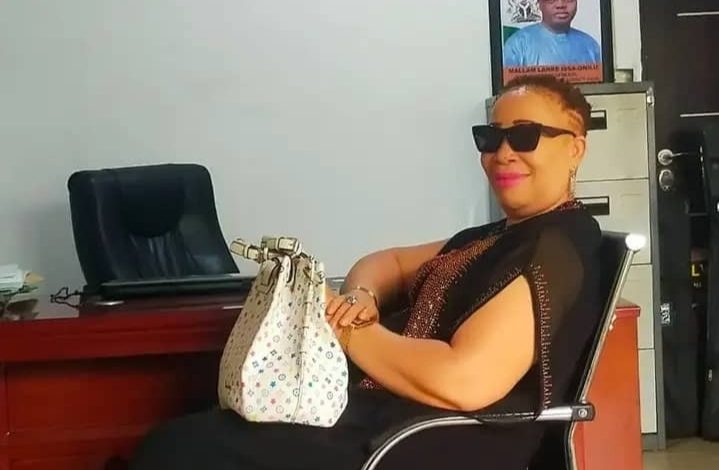
Lady Ifeoma Evangeline Chijioke
The discussions also focused on ensuring that health promotion activities are properly documented and reflected in the state’s 2027 budget and Annual Operational Plan.
A key recommendation emerging from the exercise was that health promotion should become a properly institutionalised component of the state’s health system, backed by clear policies, dedicated resources, measurable indicators and sustained coordination.
The workshop is expected to produce a practical roadmap for strengthening health promotion, improving communication and ultimately enhancing health outcomes across Anambra State.