Obi Challenges Tinubu to Account for ₦15.8trn Fuel Subsidy Savings, Over $100bn Borrowings
Politics

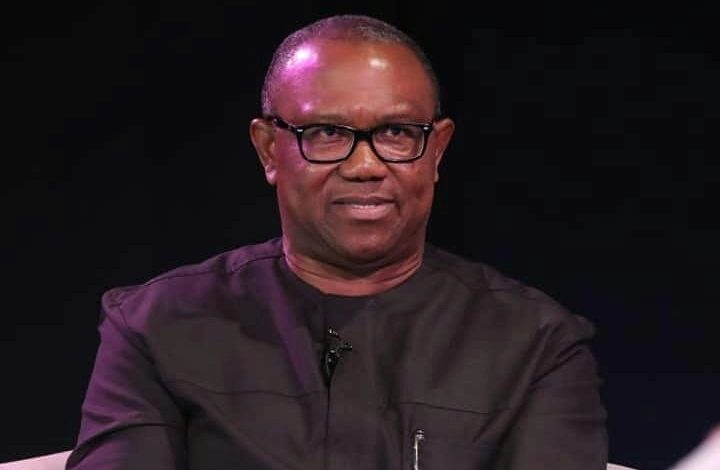
Former Anambra State Governor and Labour Party presidential candidate, Peter Obi, has challenged President Bola Tinubu to account for the resources accruing to the Federal Government since the removal of the petrol subsidy, including ₦15.8 trillion in alleged savings and over $100 billion in borrowings.
Obi made the demand in a statement posted on his X handle, titled “Good Day, Mr President: Nigerians Deserve Accountability,” following President Tinubu’s recent visit to Akwa Ibom State, where he spent a night outside Lagos and Abuja.
While congratulating the President on the visit, Obi expressed the hope that it would encourage him to travel to the remaining 33 states of the federation, engage with Nigerians and explain what his administration had achieved with the resources at its disposal.
He specifically asked the President to account for the ₦15.8 trillion reportedly saved from fuel subsidy removal, over $100 billion borrowed, increased revenue from taxation and additional government earnings which the administration had announced exceeded its target last year.
Obi also raised questions about the impact of these resources on the welfare of Nigerians, asking how many people had been lifted out of poverty, how many out-of-school children had returned to classrooms and how many functional primary healthcare centres had been established.
He further questioned the improvement in electricity supply, recalling Tinubu’s earlier promise that Nigerians should not vote for him if he failed to fix the country’s power challenges.
On security, Obi asked the President to explain what his administration had done to secure the country, noting that Nigeria still ranked among the most terrorised countries in the world.
“Nigerians deserve answers. They deserve to know what has been done with the resources entrusted to your government,” he stated.
The former governor maintained that accountability, transparency and measurable improvements in citizens’ lives must form the foundation of governance, stressing that public resources should translate into tangible benefits for the people.