Ejiofor Warns Nigeria May Witness Most Violent Elections in History, Cites Rising Political Attacks
News

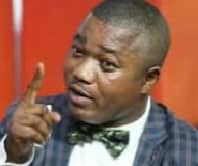
A prominent Anambra State-born human rights lawyer and lead counsel to the Indigenous People of Biafra (IPOB), Sir Ifeanyi Ejiofor, has warned that Nigeria may be heading towards its most violent general elections in history, citing growing incidents of political attacks, intimidation, violent disruptions and the mobilisation of political thugs across the country ahead of the 2027 elections.
Ejiofor, who raised the alarm in his Weekend Musings commentary dated November 7, 2026, said the warning signs of a potentially bloody electoral season were already evident, cautioning that unless the emerging threats were decisively addressed, the 2027 general elections could degenerate into one of the deadliest electoral periods in Nigeria’s history.
According to him, disturbing reports of political violence and intimidation have continued to emerge from different parts of the country, including Cross River, Sokoto, Kebbi, Enugu and Katsina states, raising serious concerns about the country’s preparedness for another electoral cycle.
He cited an incident in Yankara, Katsina State, where the police reportedly confirmed the arrest of three suspects following an attack during which a vehicle was set ablaze and political posters destroyed in what the authorities described as suspected political thuggery.
The human rights lawyer noted that similar disturbing developments in other states suggested that Nigeria was witnessing an increasingly dangerous political atmosphere that required urgent intervention by relevant authorities.
He warned that the country’s electoral history offered little reassurance, recalling that the 2023 electoral cycle recorded 586 election-related violent incidents and 348 fatalities across 274 local government areas, according to the International Election Observation Mission.
Expressing concern over the possibility of a further escalation in 2027, Ejiofor questioned whether the country was heading towards surpassing the disturbing figures recorded during the previous general elections.
He identified the apparent normalisation of political violence and the growing willingness of politicians to recruit vulnerable young people as instruments of electoral intimidation as particularly alarming features of the emerging political situation.
According to him, some politicians are increasingly translating desperate political calculations into recruitment exercises by mobilising uninformed and impressionable young men, some of whom are armed, to intimidate political opponents and disrupt the democratic process.
He observed that while the political sponsors of violence often remain insulated from the consequences of their actions, the young people recruited to execute their schemes, as well as innocent members of the public, are left to bear the devastating consequences.
Ejiofor, who holds the traditional title of Dunu-Ezeugosinachi, further expressed concern over the mounting pressure on the nation’s security architecture, arguing that politically sponsored violence would be difficult to confront effectively if those responsible enjoyed protection, influence or complicity within the corridors of power.
He maintained that no government could credibly claim to be defending democracy while allowing the intimidation of citizens seeking to exercise their democratic rights.
The lawyer particularly appealed to Nigerian youths, warning them against allowing themselves to be recruited into violent political activities for the benefit of politicians whose personal interests they were being made to defend.
“My candid advice to Nigerians, particularly the impressionable youths being recruited into these dangerous political enterprises, is simple: Do not mortgage your life for another man’s political ambition,” he said.
He cautioned that politicians who provide money and weapons to young people to perpetrate political violence would never expose their own children to the dangers they encourage others to face.
According to him, once the political contest is over, the sponsors of violence would retreat into their comfortable homes, leaving their foot soldiers to contend with death, imprisonment and lifelong regrets.
“The man who gives you money to carry a weapon will not surrender his own child to the bullet. When the political contest is over, the sponsors will retreat into their mansions, leaving you to confront the graveyard, the prison cell or a lifetime of regret. Never fight another man’s political war with your own life,” he warned.
Using an African proverb to underscore the urgency of the situation, Ejiofor said Nigerians should recognise the danger confronting the country before it escalated into an uncontrollable crisis.
“A word is sufficient for the wise: when the roof is on fire, it is folly to begin arguing about who owns the house,” he stated.
He further warned that the unfolding developments could represent a foretaste of a more dangerous political season, adding that if the present trend continued unchecked, the 2027 elections could witness violence on a scale and across geographical areas that might make previous electoral crises appear comparatively less extensive.
However, he stressed that such an outcome was not inevitable, describing the situation as a preventable national emergency that required urgent and coordinated action.
Ejiofor therefore called on the Independent National Electoral Commission (INEC), security agencies, political parties, the National Peace Committee and the Federal Government to take decisive steps to address the emerging threats before they degenerated into irreversible tragedies.
He urged the relevant institutions to move beyond routine assurances and demonstrate the political will and institutional commitment required to protect the electoral process, safeguard citizens and ensure that political competition did not become a licence for violence.
Concluding his warning, the lawyer said Nigeria must not wait until the loss of lives became overwhelming before acknowledging the seriousness of the danger confronting the country.
“God forbid that we should wait until the dead begin to outnumber the warnings before we acknowledge that danger was staring us in the face,” he said.