By Tony Okafor
Every year, Nigeria marks Children’s Day with colourful speeches, smiling photographs and recycled promises.
Politicians flood the media with glowing tributes to “the leaders of tomorrow,” yet the same political class has done little to create a country where children can truly thrive.
Across the nation, governors, lawmakers and public officials issued goodwill messages, but how many organised meaningful programmes for children or visited overcrowded schools, orphanages and hospitals treating malnourished children?
How many states have sustainable policies guaranteeing quality education, healthcare, nutrition and protection for children beyond media statements?
The irony is painful. While children were being celebrated in speeches, many politicians were more concerned with party primaries, defections and political calculations. Once again, the future of Nigerian children was overshadowed by the struggle for power.
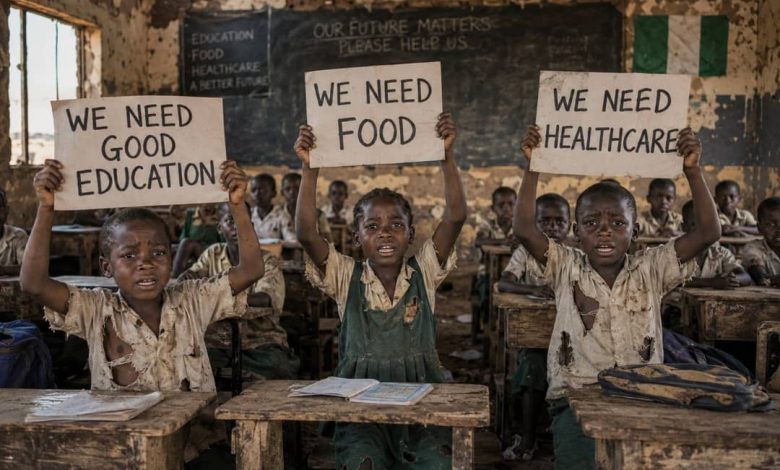
A nation that truly values its children would not tolerate schools with broken classrooms, poor learning conditions and millions of out-of-school children.
It would not watch children roam the streets as hawkers and labourers while leaders send their own children abroad for quality education.
Even more disturbing is the growing insecurity surrounding Nigerian children. Cases of child rape, trafficking, kidnapping and ritual killings have become frighteningly common. In some tragic cases, children are abused or murdered by people entrusted with their protection — neighbours, relatives, teachers, religious figures and caregivers.
Such horrors expose the moral and institutional failure of a society that claims to celebrate its children once every year.
In many countries, children below certain ages enjoy free or heavily subsidised medical care as part of deliberate child welfare policies.
In Nigeria, however, millions of children still lack access to basic healthcare, while parents struggle under rising medical costs and collapsing public health facilities.
Child malnutrition, abuse and insecurity remain widespread, while budgetary allocations to education and child welfare remain embarrassingly low or are often misappropriated.
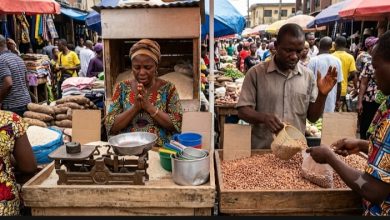
Rising inflation and harsh economic conditions have pushed more families into poverty, making survival harder for millions of children.
Children’s Day should not be reduced to ceremonial speeches and photo opportunities. It should be a day of national reflection and accountability — a moment to ask whether Nigeria is truly safe and hopeful for its youngest citizens.
The true measure of a nation is in the quality of life it offers its children.
Until Nigerian leaders match rhetoric with genuine investment and commitment to child welfare, Children’s Day will remain what it has sadly become — an annual festival of hypocrisy.