By Tony Okafor
In Nigeria’s troubled political environment, citizens have become accustomed to grand promises and campaign slogans that disappear after elections. Roads remain abandoned, communities neglected, youth unemployment persists, and rural development exists more in speeches than in reality.
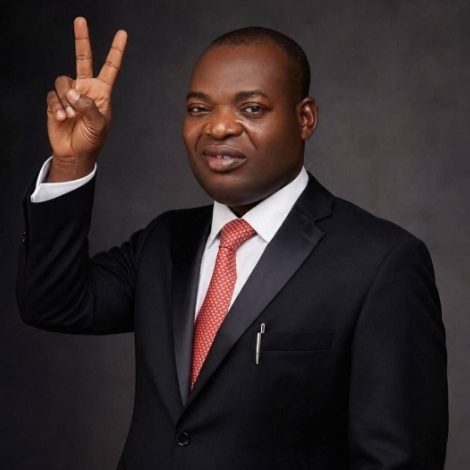
Against this backdrop, the growing attention on Tony Nwoye’s development footprint in Anambra North deserves serious consideration.
Politics should be measured not by propaganda, noise or party labels, but by visible impact on the lives of ordinary people. Leadership must answer one fundamental question: what changed because this official held office?
Senator Tony Nwoye’s record reflects a clear focus on grassroots infrastructure and community development. Across Anambra North, roads have been rehabilitated and constructed in neglected communities; drainage systems installed in flood-prone areas; schools, healthcare centres and markets rebuilt; solar streetlights deployed; and empowerment programmes extended to thousands of youths and women.
These are verifiable projects spread across communities from Ogbaru to Ayamelum, Oyi to Anambra East and West, and from Onitsha to Nsugbe, Umueri, Aguleri and Awkuzu.
Particularly notable is his attention to communities long ignored by government. The construction of roads in riverine and agrarian areas, provision of marine ambulances, distribution of boats to fishermen and support for rice farmers demonstrate an understanding of the economic realities of Anambra North.
His investment in human capital is equally significant. At a time of rising youth frustration, skills acquisition programmes in carpentry, fashion design, e-marketing, healthcare support and ICT provide practical paths to self-reliance.
The rehabilitation of schools and primary healthcare centres also reflects a broader development philosophy. Education and healthcare remain the foundation of any progressive society. Communities cannot thrive when children study in dilapidated classrooms or lack access to basic healthcare.
Public officials who prioritise these sectors, as Senator Nwoye does, demonstrate an understanding of governance beyond political survival.
Certainly, no public office holder is above scrutiny. Democracy demands accountability, transparency and continuous evaluation. Citizens have every right to question the quality, sustainability and spread of projects executed with public funds.
However, fairness also demands that performance be acknowledged where evidence exists. Too often, Nigerian politics rewards empty populism while genuine grassroots development receives little recognition. This culture encourages political theatrics instead of measurable results.
As 2027 approaches, Nigerians — especially voters in Anambra North — must move beyond politics driven by sentiment, division and manipulation.
The country needs a political culture where leaders are assessed through verifiable projects, human development and direct community impact.
Now running on the platform of the Nigeria Democratic Congress (NDC), Tony Nwoye enters the race with what many politicians lack: a documented record of visible interventions across multiple sectors.
Whether one agrees with his politics or not, the message is clear. Governance must return to performance. Leadership should be reflected in roads that connect forgotten communities, schools that educate children and empowerment programmes that restore dignity to citizens.
Nigeria’s democracy will mature only when development — not propaganda — becomes the true currency of politics.